This post may contain affiliate links. I may receive commissions for purchases made through these links with no extra cost to you. See full disclosure.
Thanksgiving Ideas for Student: Fun Activities and Budget-Friendly Celebrations
Thanksgiving season brings a perfect chance to connect with our students while keeping them engaged in learning. Many teachers wonder how to balance holiday fun with meaningful education during this time of year.
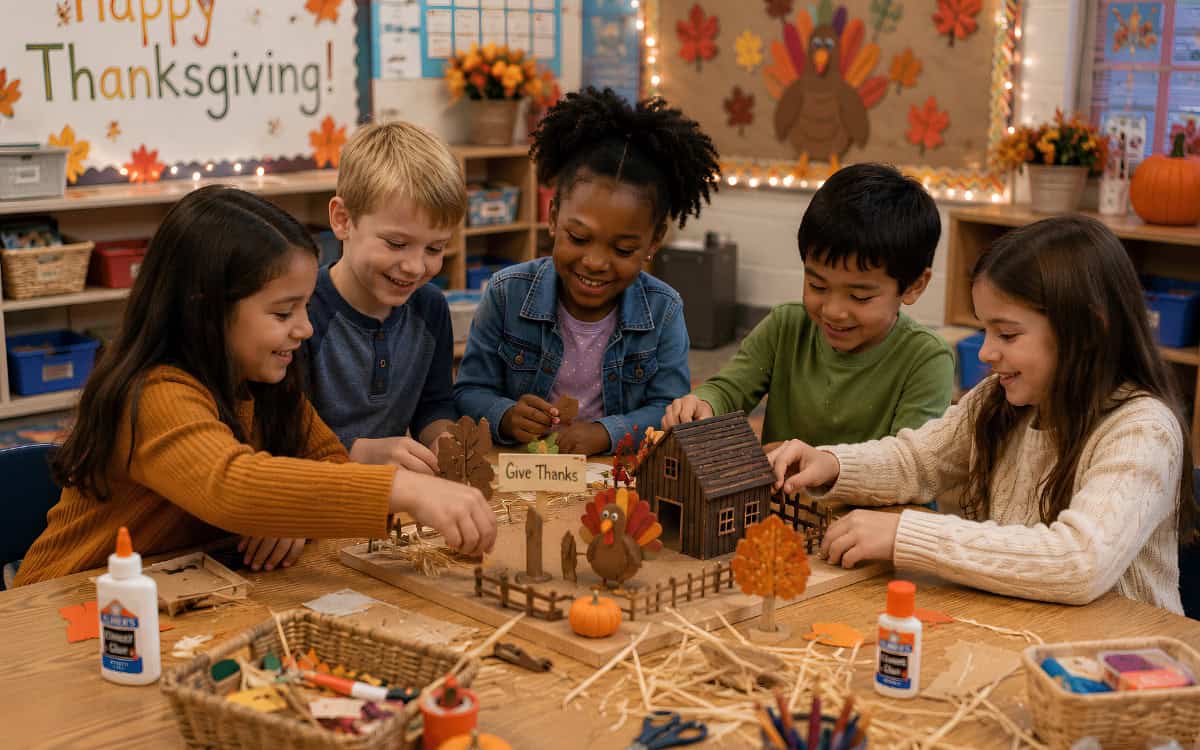
We can create memorable classroom experiences through activities that blend gratitude, tradition, and hands-on learning opportunities. From simple crafts that work for all ages to deeper reflection projects, there are countless ways to celebrate this holiday in school.
The best part is that these activities don’t require tons of prep time or expensive supplies. We’ll explore practical ideas that help build classroom community while teaching important lessons about thankfulness and tradition.
Engaging Thanksgiving Classroom Activities
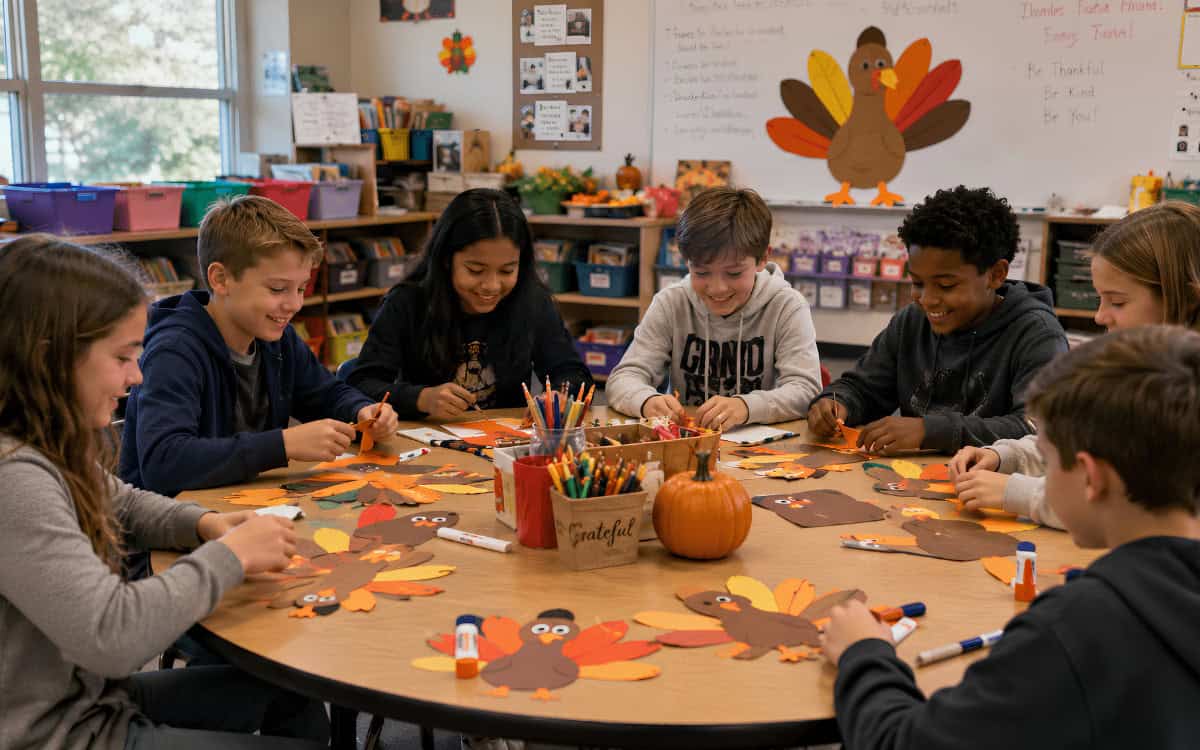
We can transform our Thanksgiving lessons into memorable experiences through interactive games, creative printables, and story-based activities. These fun activities help students learn about the holiday while building classroom community and practicing essential skills.
Thanksgiving Games for Students
Interactive Classroom Games make learning about Thanksgiving exciting for students of all ages. We can start with a Thanksgiving trivia game that tests students’ knowledge about the holiday’s history and traditions.
Word scrambles work well as warm-up activities. Students unscramble Thanksgiving-related words like “turkey,” “pilgrims,” and “harvest.” This is a great way to build vocabulary while having fun.
Scavenger Hunt Activities get students moving around the classroom. We can hide Thanksgiving facts or images for students to find. Each clue leads to the next, creating an engaging treasure hunt experience.
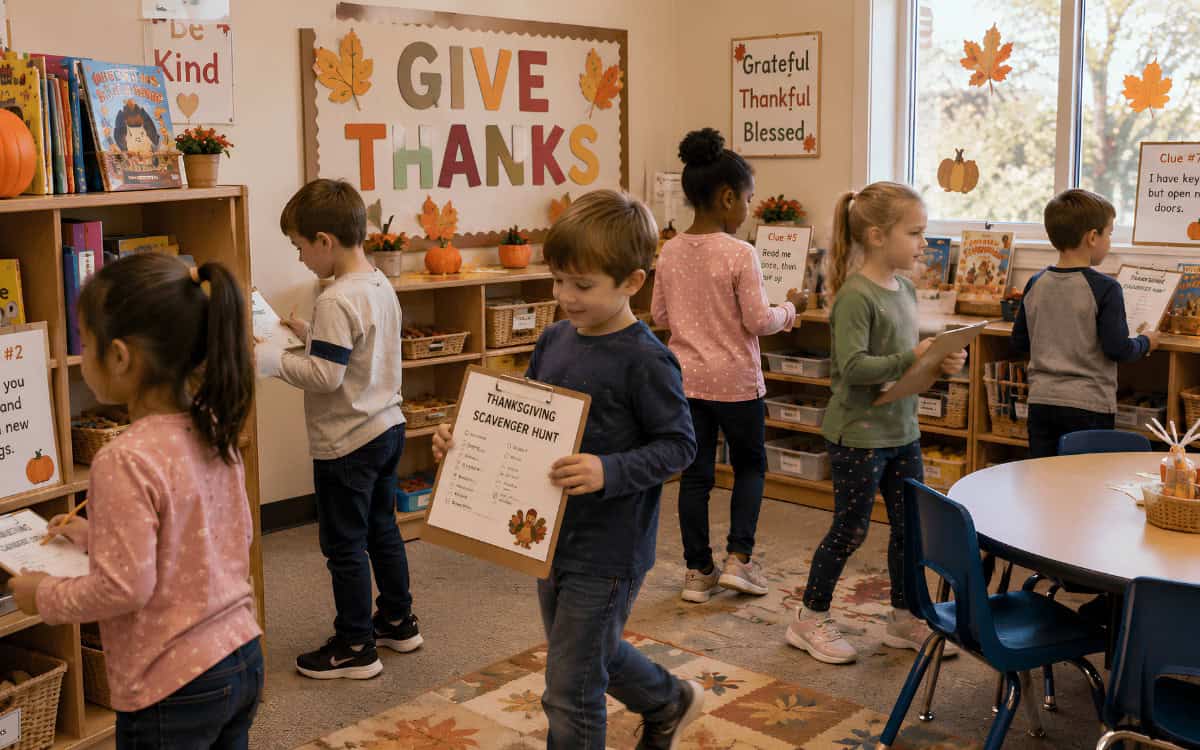
Turkey-themed charades adds physical movement to our lessons. Students act out Thanksgiving activities while classmates guess the actions. This game works perfectly and is a great opportunity for brain breaks or end-of-day activities.
Gratitude Circle Games help build classroom community. Students sit in a circle and share what they’re thankful for. We can add a twist by having students start with specific letters or categories.
Thanksgiving Printable Games and Coloring Pages
Ready-to-Use Printables save us time and are a fun way to keep students engaged. Thanksgiving word searches help students practice spelling and recognize holiday vocabulary. We can find printables with different difficulty levels for various grade levels.
These coloring pages featuring turkeys, pilgrims, and autumn scenes provide quiet activities for early finishers. These pages help develop fine motor skills while celebrating the season.
Math game printables combine Thanksgiving themes with learning objectives. Turkey counting sheets work well for younger students. Older students can solve Thanksgiving word problems or complete holiday-themed math puzzles.
Crossword puzzles challenge students to recall Thanksgiving facts and vocabulary. We can create different versions based on our students’ reading levels and prior knowledge.
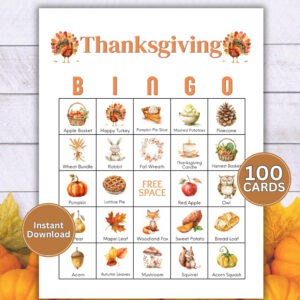
Fun Bingo Games like the one seen below with Thanksgiving images or words create excitement in the classroom. Students mark off items as we call them out. This activity works great for reviewing lesson content.
Thanksgiving Story Printable Game Ideas
Story-Based Activities combine reading skills with Thanksgiving themes. We can use Thanksgiving story printable games that have students sequence events from the first Thanksgiving or other holiday tales.
Mad Libs activities let students create silly Thanksgiving stories. They fill in nouns, verbs, and adjectives without knowing the story context. Reading the completed stories aloud always brings laughter to our classroom.
Reading Comprehension Games use short Thanksgiving passages followed by questions. Students read about Thanksgiving traditions, then answer questions or complete activities based on the text.
Story mapping activities help students understand plot structure. We can provide Thanksgiving stories and have students identify the beginning, middle, and end using graphic organizers.
Creative Writing Prompts inspired by Thanksgiving stories spark imagination. Students can write their own Thanksgiving adventures or describe what they would bring to the first Thanksgiving feast.
Creative Thanksgiving Crafts and Projects
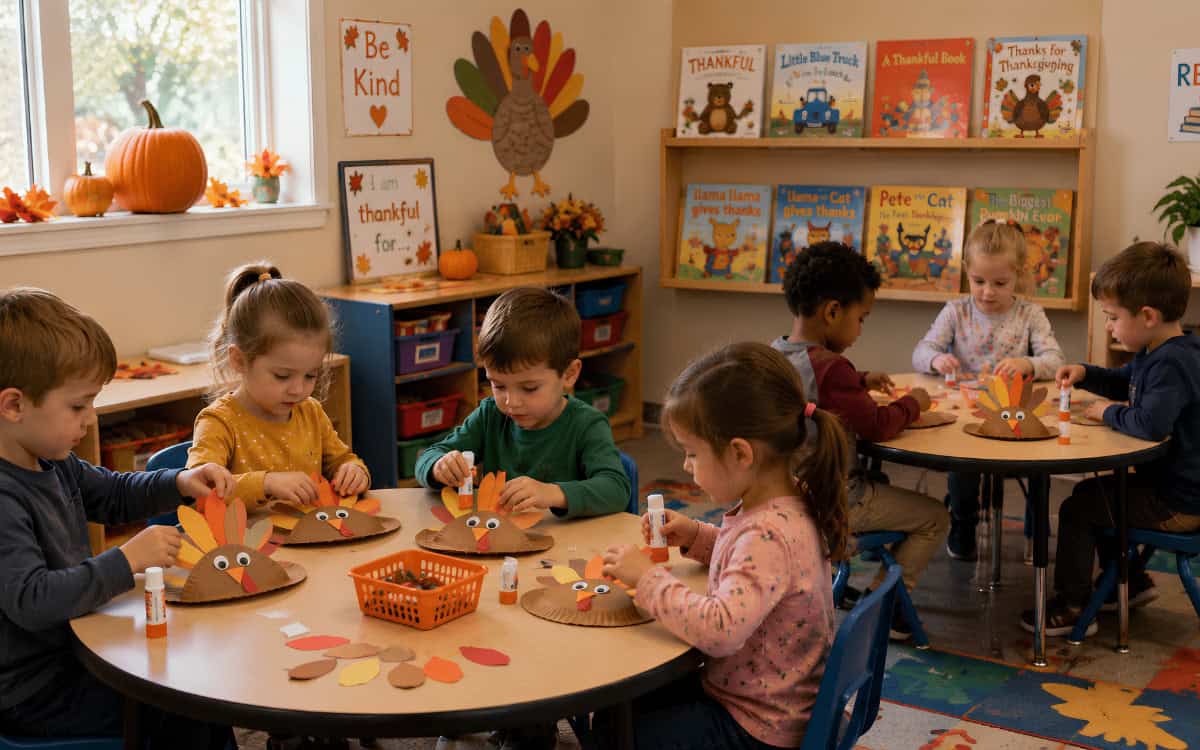
Thanksgiving crafts give students a chance to express creativity while learning about gratitude and tradition. These activities range from simple turkey decorations to meaningful gratitude journals that help build classroom community.
Simple Hands-On Projects: Fun Thanksgiving Activities
Handprint Turkey Crafts are perfect for younger students. We trace their hands on colorful paper to create turkey feathers. Students can add faces and write what they’re thankful for on each finger.
Paper Plate Pilgrims and Native Americans make wonderful decorations. Students use construction paper, cotton balls, and markers to create historical figures. This project connects art with social studies lessons.
Thankful Trees work well for all grade levels. We cut tree branches from brown paper and add colorful leaves. Each leaf shows something different that students appreciate.
Turkey Disguise Projects let students get creative. They transform paper turkeys into superheroes, favorite characters, or anything they imagine. This activity sparks lots of laughter and unique ideas.
Corn Husk Dolls teach students about traditional crafts. We use real or paper corn husks to make simple figures. Students learn about pioneer life while creating something special.
Bulletin Board Inspiration
“We Are Thankful” Displays showcase student writing and art together. We arrange handprint turkeys in a circle with gratitude statements in the center. This creates a warm, welcoming classroom atmosphere.
Gratitude Garlands stretch across bulletin boards beautifully. Students write thankful thoughts on paper leaves or feathers. We connect them with string to make colorful chains.
Turkey Parade Boards feature each student’s unique turkey creation. We add their photos and favorite Thanksgiving foods underneath. Parents love seeing these personal touches during conferences.
Harvest Scenes let us combine multiple craft projects. Students create paper pumpkins, corn stalks, and scarecrows. We arrange everything into one big fall landscape that covers an entire wall.
Gratitude Journals for Students
Daily Thankfulness Pages like this Gratitude Journal help students reflect each morning. We provide simple templates with lines for writing and space for small drawings. Students can decorate covers with autumn leaves or turkey feathers.
Photo Gratitude Books combine pictures with writing. Students bring photos of family, pets, or favorite places. They write short sentences explaining why these things matter to them.
Thankful ABC Books work great for younger learners. Each page features a letter and something students appreciate that starts with that letter. We help them think of creative examples beyond the obvious choices.
Family Interview Projects connect home and school. Students ask family members about their thankful thoughts. They record answers in special journals and share findings with classmates.
Celebrating Thanksgiving Spirit and Traditions
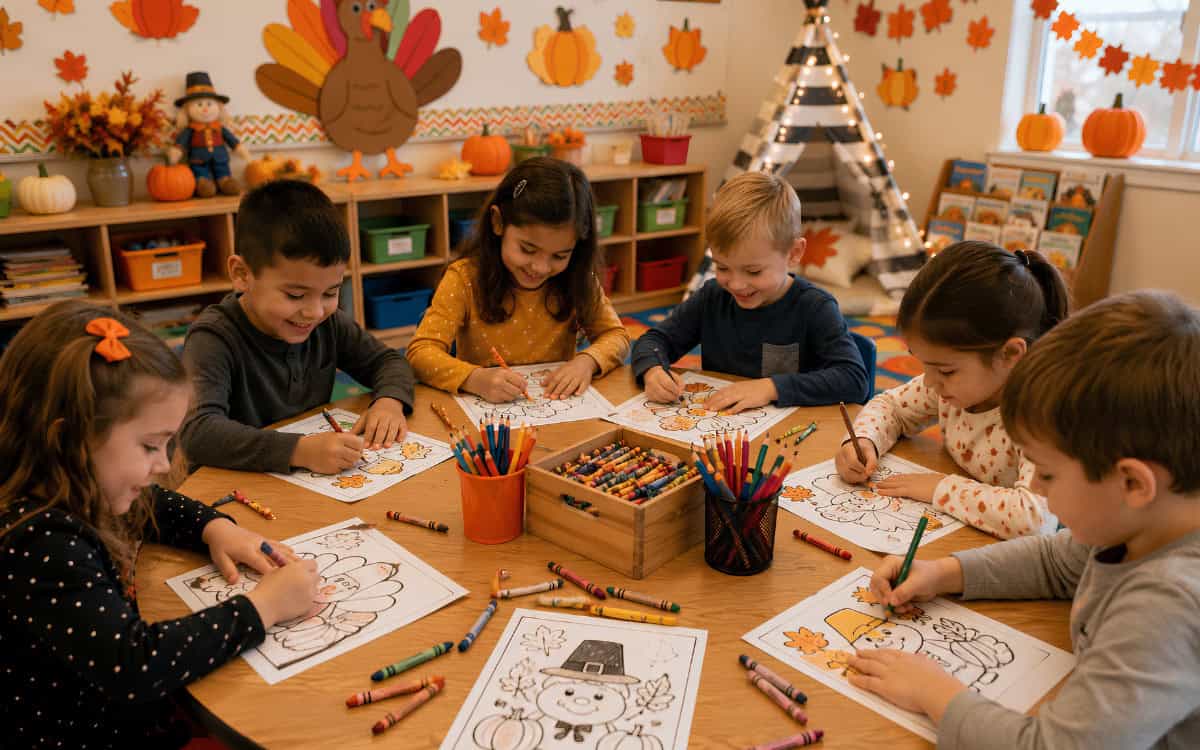
Teaching students about Thanksgiving history helps them understand how Native Americans and Pilgrims came together in 1621. Learning about traditional Thanksgiving customs like sharing meals and expressing gratitude creates meaningful classroom experiences that connect past and present.
Teaching the History of Thanksgiving
We can help students learn the real story behind Thanksgiving through interactive lessons. The holiday began in 1621 when Pilgrims and Native Americans shared a harvest feast.
Students need to understand both sides of this story. The Wampanoag people helped the Pilgrims survive their first winter. They taught them how to grow corn and other crops.
We should use primary sources like historical documents and maps. Students can read diary entries from that time period. This makes the history feel more real and personal.
Key historical facts to teach:
- The feast lasted three days
- About 90 Native Americans and 53 Pilgrims attended
- They ate deer, wild birds, and vegetables
- It was a celebration of a successful harvest
Role-playing activities work well for this topic. Students can act as Pilgrims or Native Americans. They learn about daily life in 1621 through these activities.
Exploring the First Thanksgiving
The first Thanksgiving teaches us important lessons about cooperation and friendship. We can show students how different groups worked together during hard times.
Students should learn what foods were actually eaten. The menu included venison, wild turkey, corn, and squash. There was no pumpkin pie or cranberry sauce yet.
We can create classroom activities that recreate this historic meal. Students can research what life was like in 1621. They learn about the challenges both groups faced.
First Thanksgiving activities:
- Make traditional foods like corn bread
- Create a timeline of events
- Write thank you letters like the Pilgrims might have
- Draw pictures of the three-day feast
The Wampanoag leader Massasoit played a big role in this celebration. His people brought most of the food for the feast. This shows how Native Americans were generous hosts and partners.
Understanding Thanksgiving Traditions
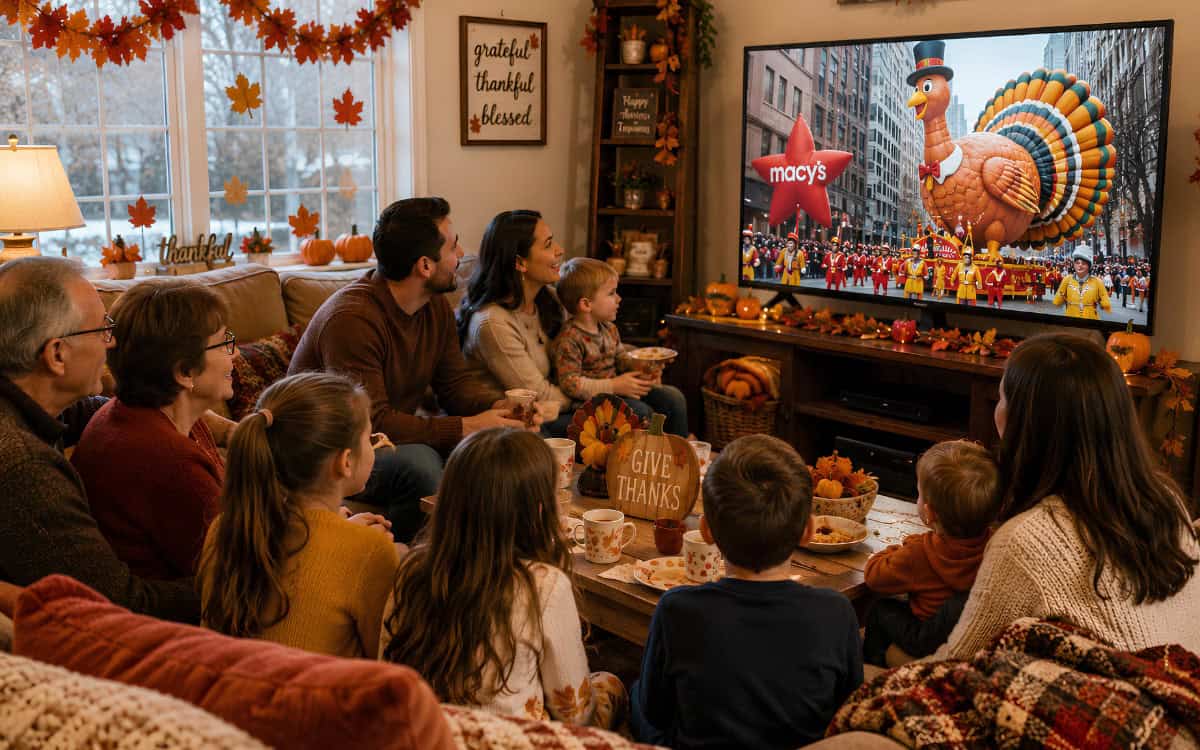
Modern Thanksgiving traditions help us keep the spirit of gratitude alive. We celebrate by gathering with family and sharing what we’re thankful for.
Common traditions include eating turkey, watching parades, and playing football. Families often go around the table and share their blessings. These customs bring people together.
We can teach students how traditions change over time. The Macy’s Thanksgiving Day Parade started in 1924. Football games became popular in the late 1800s.
Popular Thanksgiving traditions:
- Cooking a large family meal
- Watching the Macy’s parade
- Playing or watching football
- Volunteering to help others
- Making crafts with fall themes
The thanksgiving spirit means being grateful for what we have. Students can practice this by writing in gratitude journals. They can also help others in their community during this season.
Thanksgiving Activities for Different Grade Levels
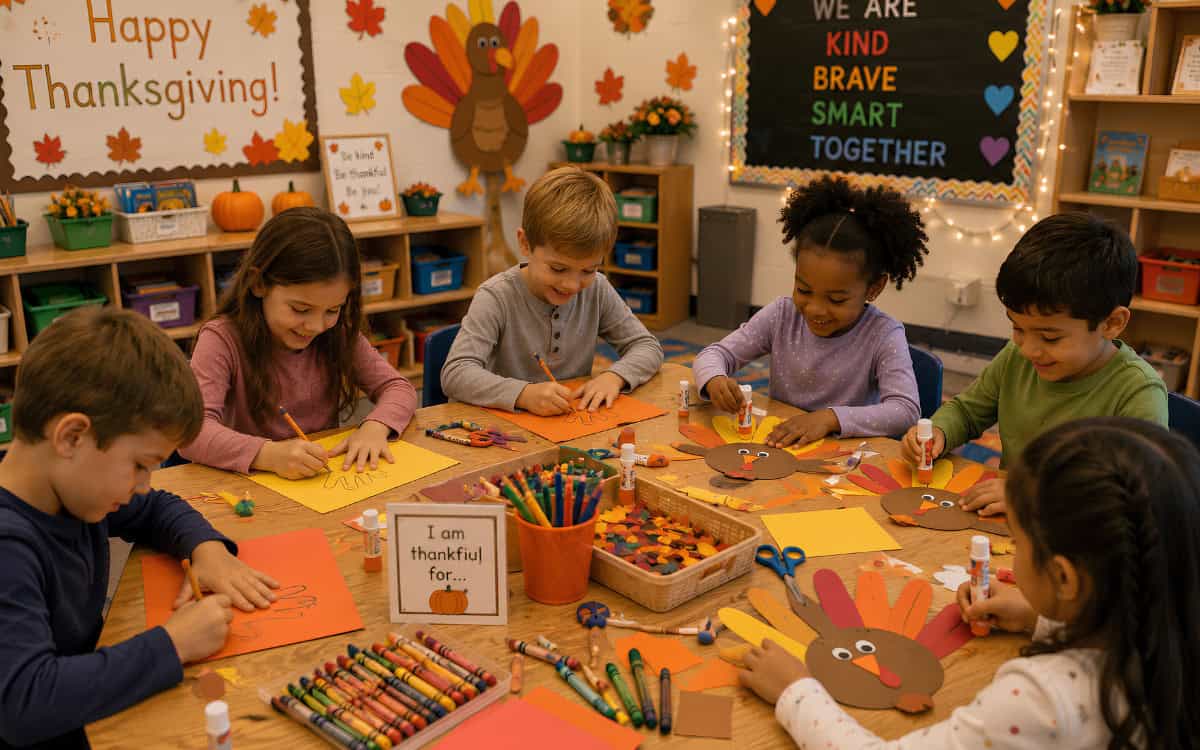
Different age groups need different types of Thanksgiving activities to stay engaged and learn effectively. We can adapt activities based on what works best for each grade level’s skills and interests.
Ideas for Elementary Students
Elementary students love hands-on activities and simple crafts that help them learn about gratitude and Thanksgiving traditions. We can start with turkey handprint crafts where kids trace their hands to make turkey feathers.
Gratitude trees work well for this age group. Students write what they’re thankful for on paper leaves and attach them to a classroom tree. This helps them practice writing while thinking about positive things in their lives.
Simple cooking activities like making trail mix or decorating mini pumpkins keep young learners busy. We can also read Thanksgiving picture books together and have students draw their favorite parts of the story.
Math activities can include counting turkey feathers, sorting fall leaves by color, or simple addition problems using Thanksgiving themes. These activities make learning fun while staying on topic.
Elementary school students also enjoy acting out the first Thanksgiving or playing games like this “Thanksgiving Bingo” with pictures instead of numbers.
Thanksgiving Ideas for Middle School Students
Middle school students need more challenging activities that let them show creativity and critical thinking skills. We can have them research different Thanksgiving traditions from around the world and present their findings to the class.
Writing projects work well at this level. Students can write thank-you letters to school staff, create short stories about Thanksgiving, or write poems about what they’re grateful for.
Science experiments using fall themes keep middle schoolers engaged. They might study why leaves change color or learn about the science behind cooking traditional Thanksgiving foods.
Community service projects appeal to this age group. Students can organize food drives, make cards for nursing homes, or volunteer at local shelters. These activities teach them about giving back.
Middle school students can also create digital presentations about Native American history or research the real story behind the first Thanksgiving celebration.
Thanksgiving Ideas for High School Students
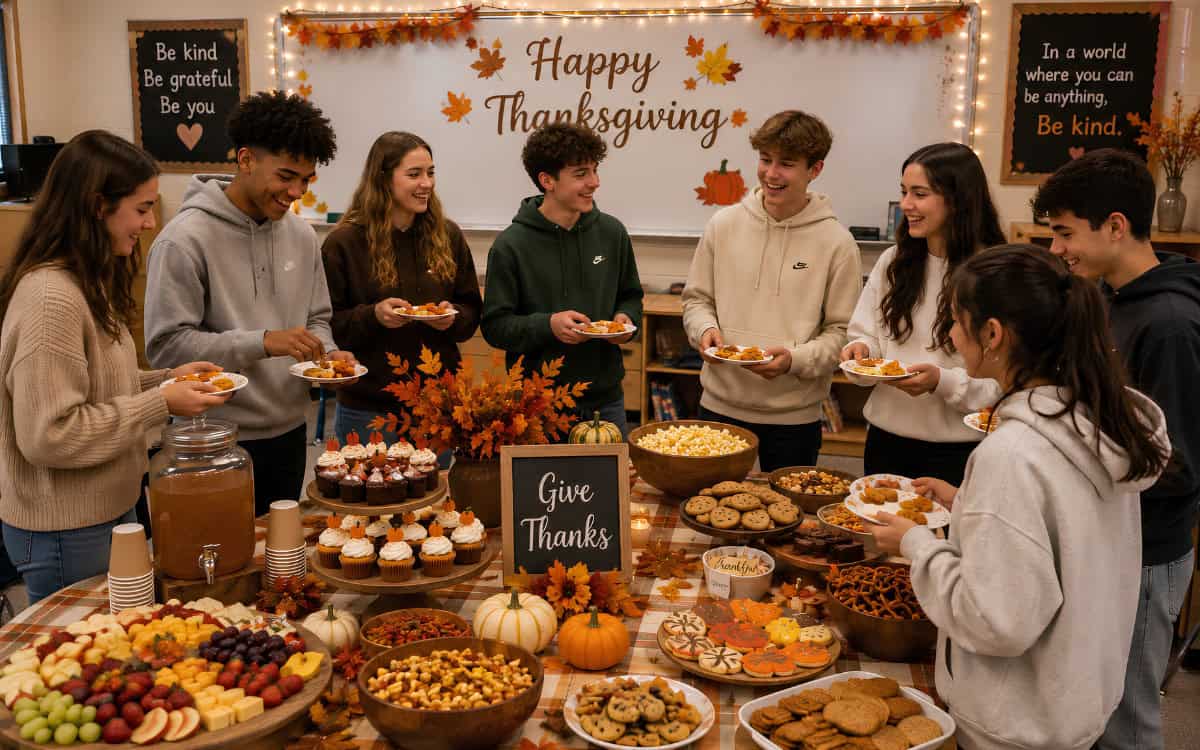
High school students can handle complex projects that require research, analysis, and real-world connections. We can have them study the historical accuracy of common Thanksgiving myths and present their findings.
Debate activities work well for older teens. They might debate topics like the impact of European colonization or discuss modern Thanksgiving traditions versus historical facts.
Service learning projects let high school students make real differences in their communities. They can organize large food drives, cook meals for homeless shelters, or tutor younger students about Thanksgiving history.
Creative writing assignments can include researching family immigration stories or writing essays about what American identity means to them. These projects help students connect personal experiences to broader themes.
Advanced students might also create documentaries, start school-wide gratitude campaigns, or research economic impacts of the holiday season.
Activities for Older Students
Older students in late high school can take on leadership roles in Thanksgiving activities. They might organize school-wide events or mentor younger students in their projects.
Independent research projects allow these students to explore topics deeply. They could study food insecurity in their communities or research how different cultures celebrate harvest festivals.
We can have older students create and teach lessons to elementary classes about Thanksgiving history or gratitude practices. This builds their communication skills while helping younger learners.
Real-world problem solving appeals to this age group. Students might plan actual Thanksgiving meals within budget constraints or organize community events that bring people together during the holiday season.
Holiday-Themed Foods and Gatherings
Food brings us together during the holiday season, and Thanksgiving offers the perfect time to share special treats with classmates and family members. We can create memorable experiences through fun snacks and group meals that celebrate Turkey Day traditions.
Fun Thanksgiving Foods for Students
Turkey-themed snacks make great treats for classroom parties. We can make turkey sandwiches using cookie cutters to create fun shapes. Cheese and crackers arranged like turkeys work well too.
Easy Thanksgiving Snacks:
- Apple slices with peanut butter dip
- Orange carrots and celery sticks
- Pumpkin-shaped cookies
- Turkey hand print cookies
- Mini muffins in fall flavors
Finger foods work best for student gatherings. We should pick items that are easy to eat and not too messy. Sweet treats like pumpkin bread or cranberry muffins are always popular.
Orange and brown foods fit the Thanksgiving theme perfectly. Cheese cubes, orange bell peppers, and sweet potato chips all match the holiday colors. We can arrange them on plates to look festive.
Classroom Potluck and Sharing with Family Members
Potluck meals create a great time for everyone to share their favorite foods. Each family member can bring one dish to make the meal special. This works well for both classroom parties and family gatherings.
Popular Potluck Items:
- Stuffing or dressing
- Mashed potatoes
- Green bean casserole
- Cranberry sauce
- Rolls and butter
- Pumpkin or apple pie
You should have a Potluck sign-up sheet so everyone knows what to bring. This prevents having too many of the same dishes. Different families can share their special recipes and traditions. Here’s one to get you started.
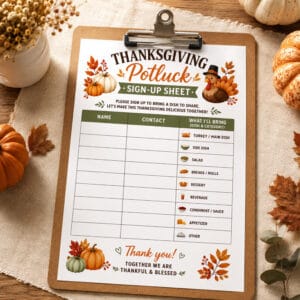
Vegetable dishes and casseroles travel well to potluck events. We can ask students to bring family recipes that tell a story about their heritage. This makes the meal more meaningful and educational for everyone.
Encouraging Gratitude and Reflection
Thanksgiving offers the perfect chance to help students think deeply about what they value most. We can guide them to question traditional stories while building real thankfulness habits that last beyond the holiday season.
Promoting Critical Thinking about Thanksgiving
We need to help students look at Thanksgiving from many different angles. This means teaching them to ask hard questions about the traditional story they often hear.
Students can research what really happened between Native Americans and Pilgrims. We should encourage them to read stories from both sides.
Key questions to explore:
- What was life like for Native Americans before Europeans arrived?
- How did different tribes experience early contact?
- What parts of the traditional story might be missing?
We can have students compare different sources about the first Thanksgiving. They might read history books, Native American accounts, and traditional stories.
This helps them understand that history has many perspectives. It teaches them to think carefully about what they learn.
Students can create presentations showing what they discovered. They might make posters comparing different versions of events.
Fostering the Spirit of Thankfulness
Building real gratitude takes daily practice. We can teach students simple ways to notice good things in their lives.
A gratitude journal works great for this. Students can write down things they appreciate each day. These don’t have to be big things.
Simple gratitude activities include:
- Writing thank you notes to school staff
- Sharing one good thing that happened each morning
- Creating thankful trees with paper leaves
- Making gratitude lists with family members
We should help students see gratitude in small moments. Maybe they’re thankful for a friend’s smile or a warm lunch.
Students can interview family members about what makes them grateful. This connects home and school learning.
Happy Thanksgiving becomes more meaningful when students practice thankfulness all month long.
Helping Students Reflect During Thanksgiving Break
Thanksgiving break gives students time to slow down and think. We can give them activities that work at home with family.
Students might keep a special break journal. They can write about family traditions they notice or new things they try.
Family reflection activities work well:
- Asking grandparents about their childhood Thanksgivings
- Writing about family recipes and their stories
- Drawing pictures of favorite family moments
- Recording family members sharing what they’re grateful for
We can suggest students try one act of kindness each day of break. They might help with cooking or play with younger cousins.
When students return, they can share their experiences. Some might want to read from their journals or show drawings.
This makes critical thinking part of their break experience. They come back ready to talk about what they learned about themselves and their families.
Happy Thanksgiving to all!

- Thanksgiving Ideas for Students: Budget-Friendly Celebrations - August 22, 2026
- Easy St Patrick’s Day Decorations To Bring You Luck! - January 11, 2026
- Best Songs From The 1980’s That Still Rock Today! - January 3, 2026